PCA Caregiver Support Program helps older adults care for loved ones
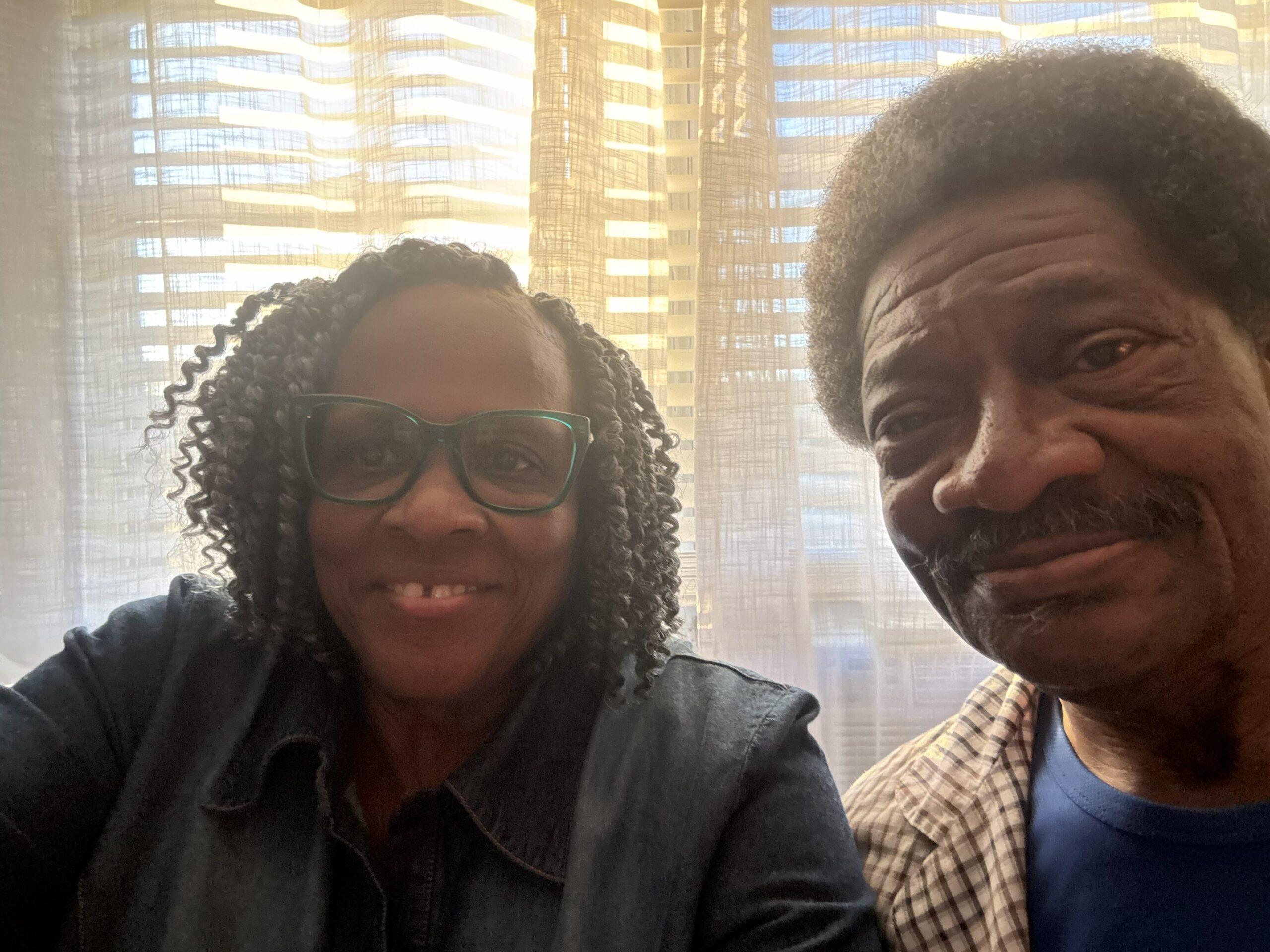

Pictured: Gail Rose, 68, is the caregiver for her husband of 27 years, Willie Rose, 74
For thousands of people in Philadelphia, caring for an older family member or friend is part of daily life. Caregivers help loved ones stay safe and comfortable at home. They may prepare meals, schedule doctor visits and help with personal care.
For older adults who are caregivers, these duties can create physical, emotional and financial challenges.
Gail Rose, 68, knows those challenges well. She cares for her husband, Willie Rose, 74. Over their 27-year marriage, caregiving has become a regular part of their lives. Gail works hard to meet her husband’s needs while also taking care of her own health.
“You don’t always put a name to it,” Gail said. “You’re helping because this is someone you care about, and you want to make sure they have what they need. Then you realize how much responsibility you’ve taken on.”
Philadelphia Corporation for Aging’s (PCA’s) Caregiver Support Program provides information, services and support. The program helps reduce caregiver stress.
“Caregivers give so much of themselves to make sure their loved ones are safe, healthy and supported,” said Cheryl Clark, director of PCA’s Caregiver Support Program.
“Our goal is to make sure caregivers know they have support, too, and that there are resources available to help make their responsibilities more manageable.”
Caregiver Support Program can provide the following services:
• Care management
• Education and training
• Information about resources
• Help applying for benefits
• Financial assistance with caregiving expenses
Depending on a person’s needs, the program may also help pay for:
• Medical supplies
• Home safety changes, such as grab bars or stair chairs
• Personal care services
• Adult day programs
• Emotional, legal or financial counseling
PCA’s care managers work directly with caregivers to:
• Evaluate their needs and goals
• Develop individualized support plans
• Connect them with appropriate services
• Monitor their progress
For Gail, caring for her husband is a commitment built over many years. Like many spousal caregivers, she has learned that caregiving involves more than daily tasks. It also means adjusting to changing needs, coordinating services and providing ongoing support for the person who has shared much of her life.
“There are so many things to think about when you’re caring for someone,” Rose said. “Sometimes you just need somebody who knows what resources are available and can help you figure out where to start.”
Older caregivers may face extra challenges. They are often managing their own health needs, appointments and limitations while caring for someone else.
“As a caregiver, you tend to focus on the other person first,” Gail said. “But you have to remember that your health matters, too. If you don’t take care of yourself, it becomes harder to take care of someone else.”
For Gail and Willie Rose, caregiving is rooted in the life they have built together. While there are difficult days, there are also meaningful moments of companionship and connection.
“There are hard days, but there are also good days,” Gail said. “Sometimes it’s sitting together, talking about old memories or just enjoying each other’s company. Those are the moments that stay with you.”
Through the Caregiver Support Program, PCA helps caregivers stay informed, connected and supported to make their daily lives easier and more fulfilled.
To learn more about PCA’s Caregiver Support Program, including program qualifications, call the PCA Helpline at 215-765-9040 or visit www.pcaCares.org/caregivers.