Sleep issues keep many older adults up at night

By Jay Nachman
It’s important to get a good night’s sleep. After all, adults spend roughly one-third of their lives sleeping.
“It’s really important because a lot of physiologic changes occur in the brain and the other organs when we sleep,” said Dr. Ritu G. Grewal, a sleep specialist at Jefferson Health. “Everything does slow down. Our breathing slows down. Our heart rate goes down. There are some changes that occur at the hormone level. And all this is really important for overall health.”
Studies show that disturbed sleep, insufficient sleep and poor sleep quality can have significant metabolic consequences. For example, she said, “Lack of sleep, just being sleep deprived, can lead to weight gain and it can lead to increased risk for diabetes and high blood pressure, so there are long-term health consequences.”
Additionally, Grewal said, if someone isn’t getting adequate sleep, they will feel tired and sleepy and that can affect work performance and it can lead to or worsen mood disorders.
The National Sleep Foundation website states, “Between the ages of 18 and 64, adults should aim for seven to nine hours of nightly sleep. If you’re older than 65, you may need a little less: seven to eight hours is recommended.”
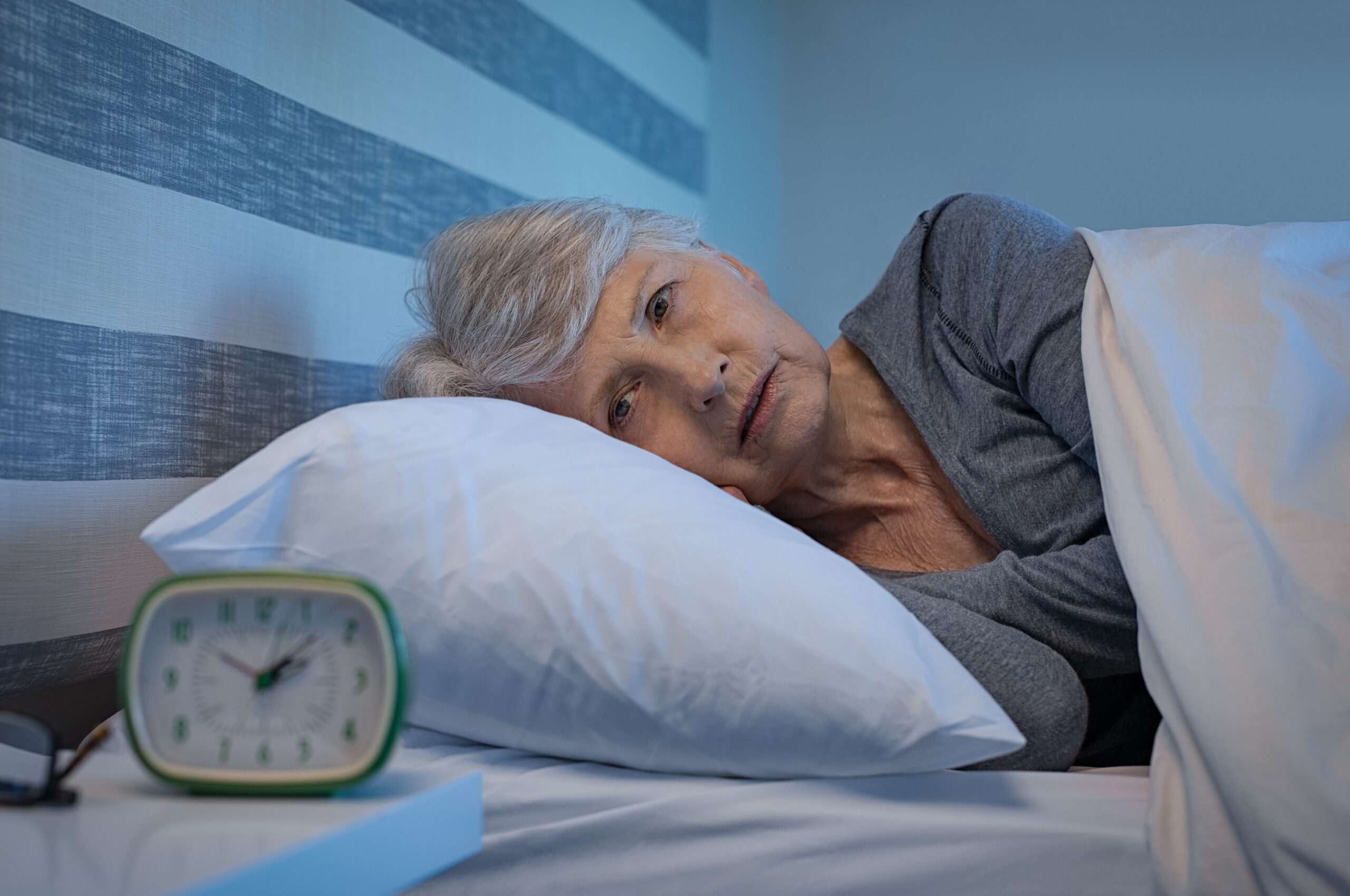
“Unfortunately, many older adults have a harder time sleeping,” Grewal said. There are different stages of sleep during the night: light sleep, deep sleep and REM sleep, an active phase of the sleep cycle when a person’s eyes dart quickly behind closed lids and vivid dreaming takes place.
“As one gets older, that deep sleep that we get in the first third of the night does change and older adults experience more of the lighter stages of sleep from which it is easier to wake up,” Grewal said.
Older adults also have other health issues that can impact sleep, explained Grewal, naming arthritis, back pain, heart and breathing issues. Postmenopausal women can experience depression, which can lead to disrupted sleep.
Lifestyle changes can also lead to insomnia and restless sleep. Retired older adults may spend more time in bed or take more naps during the day. Drinking caffeinated drinks close to bedtime can also make it hard to sleep. Lack of exposure to sunlight can also lead to poor sleep quality because it disrupts the body’s circadian, or natural, rhythm.
“The one thing that people can control is lifestyle changes,” Grewal said. Activities that stimulate your mind and body are helpful. Avoid taking long naps during the day. Going to bed and waking up at the same time each day, and getting out of bed when you wake up, can help promote healthy sleep habits.
“What we are talking about is really practicing good sleep hygiene and getting a lot of activities done during the day and especially exposure to sunlight is really important.”
Another activity that can contribute to poor sleep quality is scrolling on phones or watching television before bedtime. Grewal advises people to limit their screen time as they get closer to their bedtime.
After getting up in the night to, say, use the bathroom, Grewal recommends then doing behaviors that are conducive to going back to sleep. Don’t look at social media or watch television, which makes people wide awake. Another option is to listen to calming sounds, an audiobook, or a podcast. It’s like giving a cue to your brain and training your brain to go back to sleep and not overthink things, Grewal said.
And don’t stress about not sleeping, Grewal said, “because sometimes just trying to sleep and being stressed about it arouses the brain and makes it more difficult to sleep.”
Jay Nachman is a freelance writer in Philadelphia who tells stories for a variety of clients.