Senior companions help aging adults combat loneliness with friendship and support

In Philadelphia, many older adults want to remain in their own homes as they age. They know their neighbors. They have favorite shops and doctors. Home feels safe. But aging at home can also mean spending long hours alone.
Philadelphia Corporation for Aging’s (PCA’s) Senior Companion Program can make a difference. PCA matches volunteers, who are 55 and older, with older adults who may be homebound, isolated, or living with health conditions and disabilities. Companions visit on a regular schedule. They bring conversation, encouragement and a helping hand. Companions might prepare a light meal, help organize mail, or accompany an older adult to a medical appointment. They can also help plan small outings. This may include seeing a movie, getting a haircut, taking a short walk in the neighborhood, or having lunch at a favorite restaurant. The goal of the program is to make daily life easier and friendlier so older adults can stay strong at home.
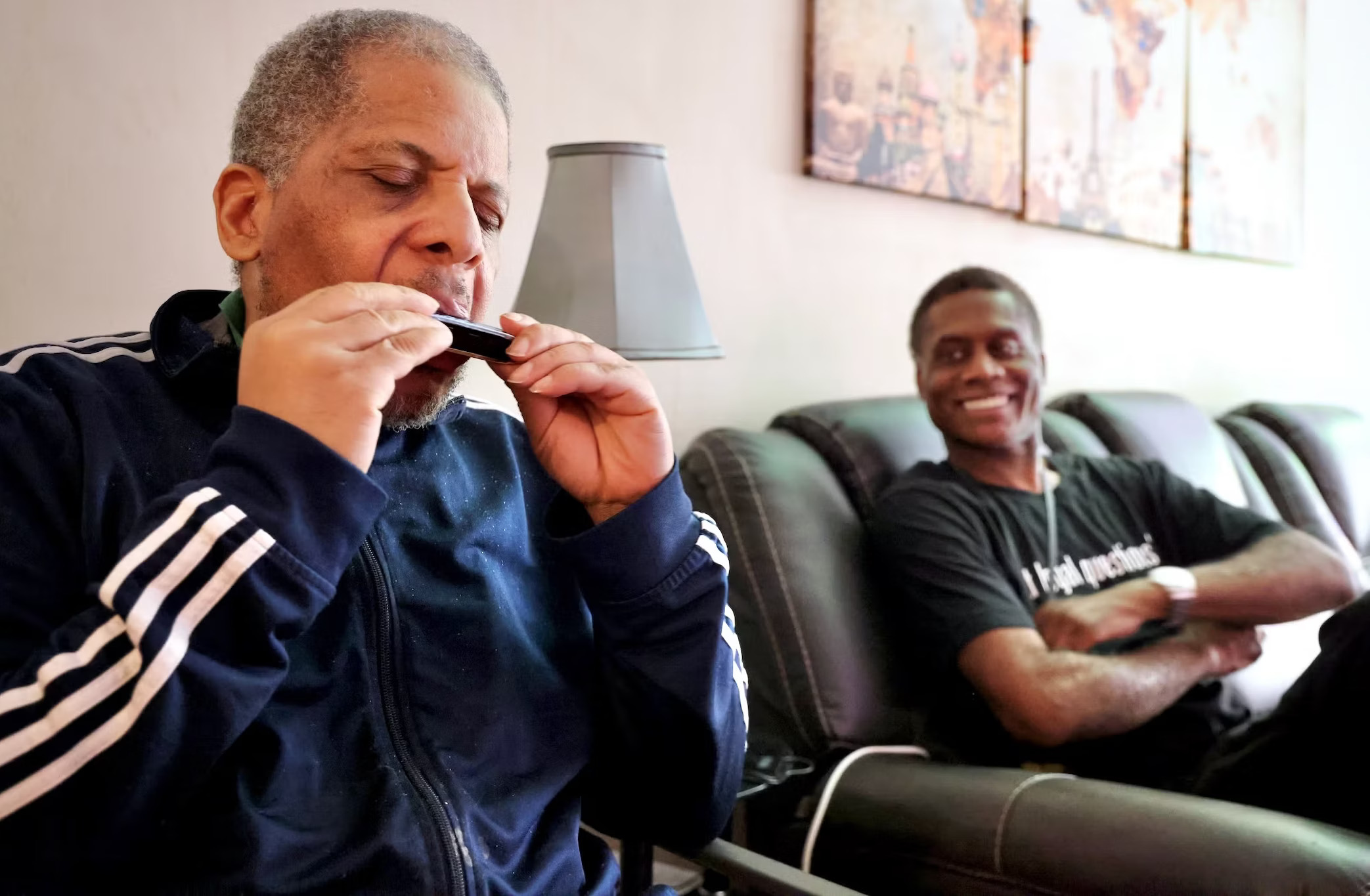
Joseph Dennis is a dedicated Senior Companion Program volunteer. Dennis is matched with James Henry, who lives with visual impairment. The two men have built a routine that fits their unique interests and needs. Some days they listen to music or talk about the news. Other days they plan a trip across town, share a meal or run some errands. The details may change from week to week. But the message is the same: No one has to face the day alone. As Dennis likes to say, the program helps people feel as though they still count, are still important and are still relevant.
Loneliness and isolation are more than sad feelings. Research shows that it can raise the risk of depression, memory problems and heart disease. The Senior Companion Program model fights those risks with consistent social connection. Over time, steady support can also help older adults keep doctor appointments, eat regular meals and stay active in small but meaningful ways.
Andrea DeLoatch, manager of PCA’s Senior Companion Program, sees the change up close. “Companionship is the heart of what we do,” she says. “Our volunteers bring dignity, joy and practical help right into someone’s living room. A short walk, a ride to the doctor, or an hour of easy conversation can turn a hard day into a hopeful one. When that happens again and again, it can transform a life.”
The program is supported by AmeriCorps Seniors, a federal service network that helps communities across the country. In f iscal year 2024, PCA’s Senior Companion Program served 63 older Philadelphians and has more than 40 active volunteers. Matches are made with care. PCA first introduces companions and participants to see if they are a good f it. Once matched, most pairs meet the same days each week, which builds trust. That predictability also gives family members and other caregivers a short break to rest, run errands or schedule their own appointments.
Senior Companion volunteers receive strong support for their service. Companions earn an hourly tax-free stipend, plus reimbursement for travel and meals. They receive paid holiday, sick and vacation time. Pre-service training and monthly ongoing training is also provided. To become a Senior Companion, volunteers must:
• Be 55 or older.
• Meet income guidelines.
• Be able to serve 20 hours per week.
• Pass a criminal background check.
The standards are clear because the work matters. Older adults open their homes and share their stories; PCA makes sure companions are ready and prepared.
Dennis says the program also gives volunteers a sense of purpose. After retiring from his job, he had time on his hands and wanted to do more than stay home. The Senior Companion Program gave him structure and a reason to go out in the city. He looks forward to each week and to the conversations, music and small victories. These include planning the next lunch spot, finding a new radio show to enjoy or ensuring a doctor visit goes smoothly. “The pleasure of helping and bringing joy to someone’s life — that’s the big benefit,” Dennis says.
DeLoatch hopes more Philadelphians will join the program. The city’s older population is growing, and the need for social connection is real. “If you’re 55 or older and have a caring spirit, we’ll prepare you, support you and match you with someone who will be genuinely glad to see you each week,” she says. “You don’t have to fix everything. You just have to show up and keep showing up.”
Active, older adults who want to make a difference can call 215-422-4888 or visit pcaCares.org/senior-companion-program to learn more and apply. Volunteers receive training, a modest stipend and ongoing support. Most of all, they gain a new friend — and help a neighbor stay strong at home.