
Day 3 Recap: Focusing on Wellness, Caregiver Support and the Future of Aging Services

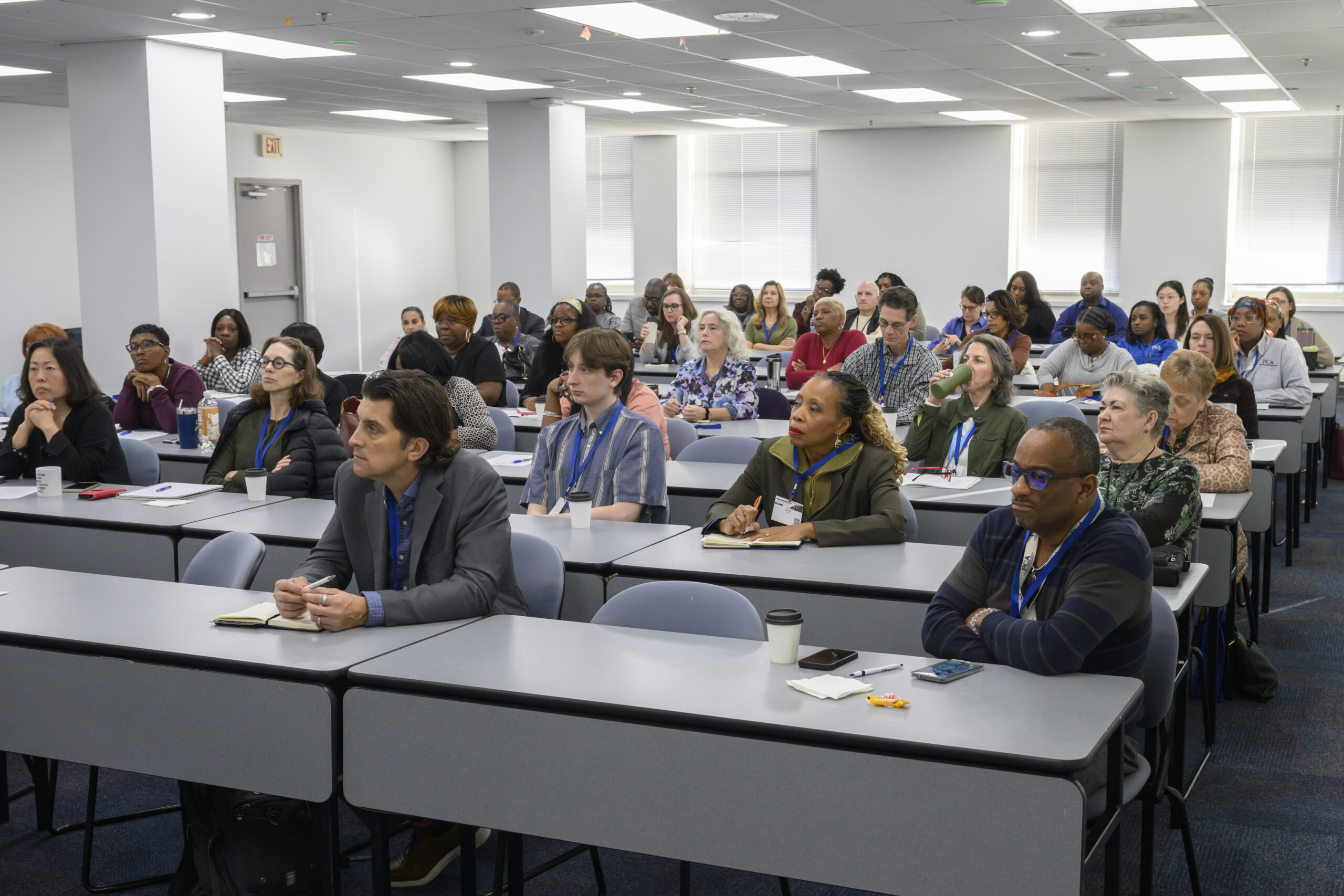
The third and final day of Philadelphia Corporation for Aging’s Regional Conference on Aging continued to explore the conference theme, “The Future Belongs to Wellness,” with sessions focused on innovation, caregiver engagement, mental fitness and the well-being of both older adults and the professionals who support them. Attendees participated in discussions and interactive workshops that highlighted practical strategies for strengthening aging services and promoting holistic wellness across communities.
A featured morning session examined the future of senior centers and their evolving role in supporting older adults. Participants explored how senior centers can adapt to meet the needs of a growing and increasingly diverse aging population while continuing to serve as vital community hubs. Discussions centered on innovative models from across the country, the importance of social connection, and opportunities to expand access to wellness programs, health services and community partnerships.
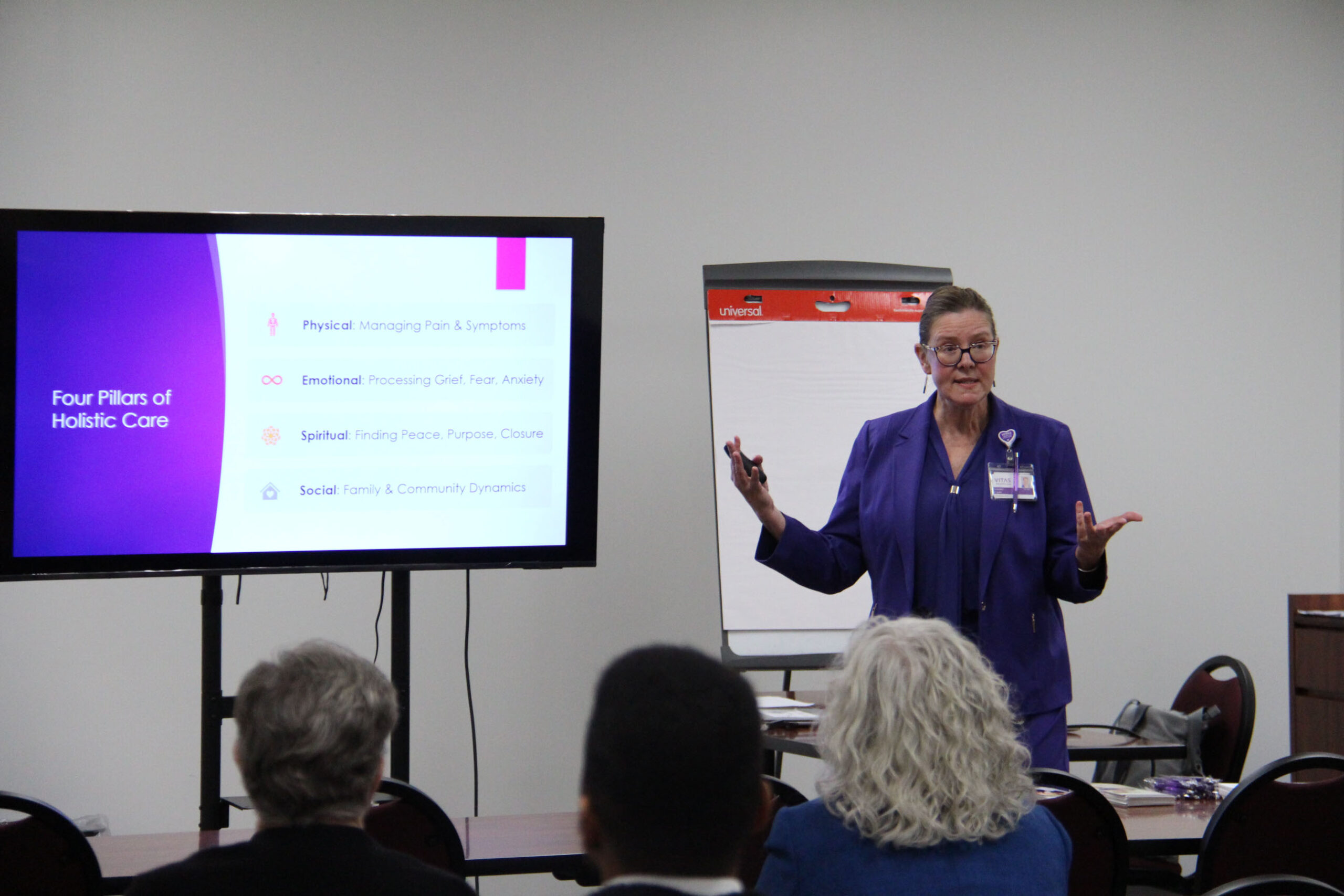
Wellness remained a central theme throughout the day. One interactive workshop explored how movement, sensory engagement and creative practices can support physical, emotional, and cognitive health. Attendees learned practical techniques designed to strengthen connections between older adults, individuals experiencing cognitive or physical changes, and their care partners while promoting overall quality of life.
Caregiver support was another key focus. A session on family caregiver engagement examined the barriers that often prevent caregivers from seeking assistance, including systemic challenges, cultural factors and feelings of guilt or shame. Participants explored strategies for increasing participation in support services through outreach, education, peer connections, and other engagement approaches.
The importance of supporting those who provide care was highlighted in sessions focused on mindfulness, stress management, and resilience. Attendees learned evidence-based techniques for managing burnout and compassion of fatigue, including breathing exercises, mindfulness practices and approaches to cultivating greater present-moment awareness in professional settings. Discussions emphasized the connection between personal well-being and the ability to provide effective, compassionate care.
Additional sessions explored Positive Intelligence and the role of mental fitness in personal and organizational wellness. Participants examined how thought patterns and self-limiting behaviors can affect workplace culture, resilience, and client outcomes, while learning practical tools to build emotional strength and enhance overall well-being.
Together, the day’s presentations reinforced a powerful message: The future of aging services depends on supporting wellness in all its forms. From reimagining community resources and strengthening caregiver support to promoting resilience among professionals, attendees left with new ideas and practical strategies to help older adults and those who serve them thrive.
Related Articles
PCA’s Regional Conference on Aging Highlights Mental Health, Lifelong Learning and Wellness on Day Two
Read More
Day One Highlights: PCA’s Regional Conference on Aging Kicks Off with Policy, Innovation, and Collaboration
Read More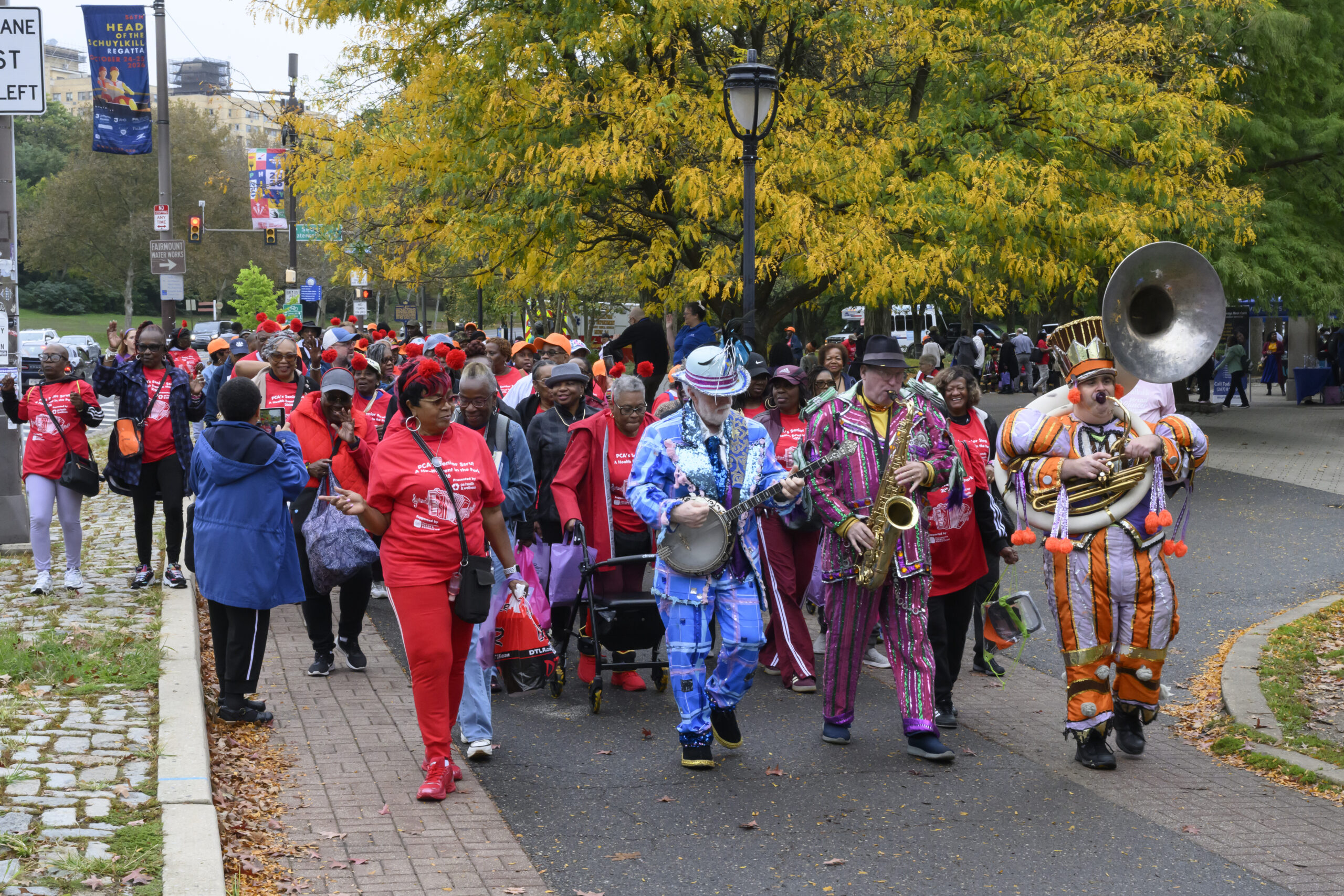
PCA’s 14th Annual Senior Strut Celebrates Healthy Aging and Community on 6abc
Read More