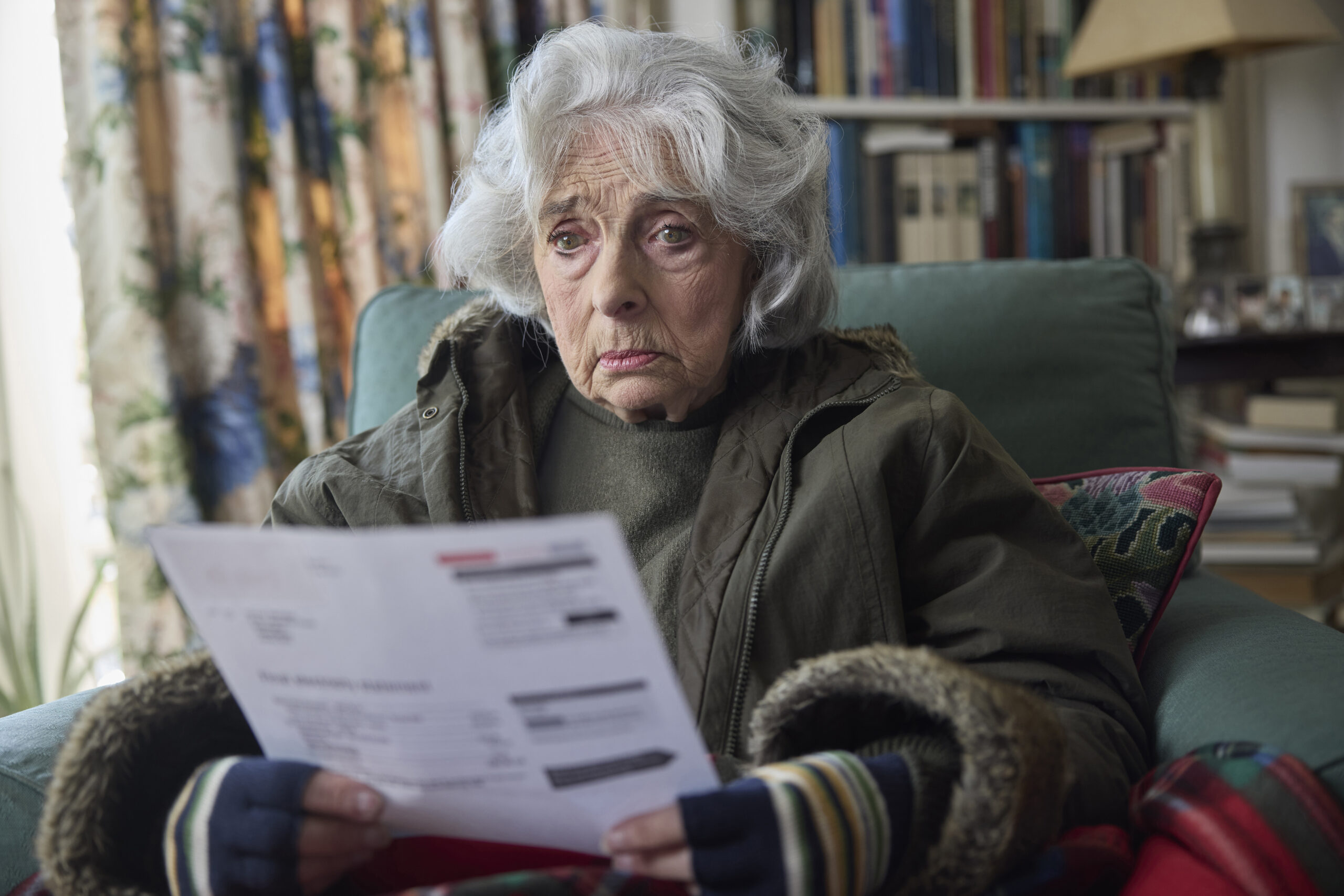
Stay healthy as the seasons change


As the seasons change, so do our routines. Cooler temperatures, shorter days and bad weather can make it harder to stay active, eat well and gather with others. A little planning can help you stay connected and prepare for seasonal changes in your routine.
Staying connected is important. Spending more time at home can lead to fewer opportunities to see family, friends and neighbors. Social isolation and loneliness can affect overall wellbeing and make it harder to stay connected to people and activities that are part of daily life.
Look for simple ways to stay connected. Call a friend, attend an activity at your local senior center, invite someone to share a meal, or use video calls when you cannot meet in person. Even a regular phone call can help you maintain important relationships.
Meals can also change as the weather gets colder. Shopping, cooking or getting to a grocery store may be more difficult when weather conditions are poor. Keep your pantry and freezer stocked with foods you enjoy that can easily be prepared at home.
Weather can also affect how safely you get around. Before going out, check the forecast and allow extra time. Wear shoes that provide good traction and dress for the temperature. If rain, snow, ice or strong winds make travel unsafe, consider postponing your trip. The National Institute on Aging recommends staying indoors when weather conditions are unsafe. If bad weather may keep you from an upcoming shopping trip, plan ahead by having enough food, medications and other essentials on hand.
You can also plan ways to stay active indoors when outdoor activities are limited. Walk or stretch inside your home. You can also participate in an exercise class at your local senior center.
The changing seasons do not have to mean changing your connection to the people and activities that support your well-being. Plan ahead, stay connected, keep food and other essentials on hand, and make safety an essential part of every outing.
If you need help finding programs, services or resources for older adults in Philadelphia, contact the PCA Helpline at 215-765-9040 or visit www.pcaCares.org.