Caregiving often happens quietly


By Najja R. Orr, DBA, FCPP PCA President & CEO
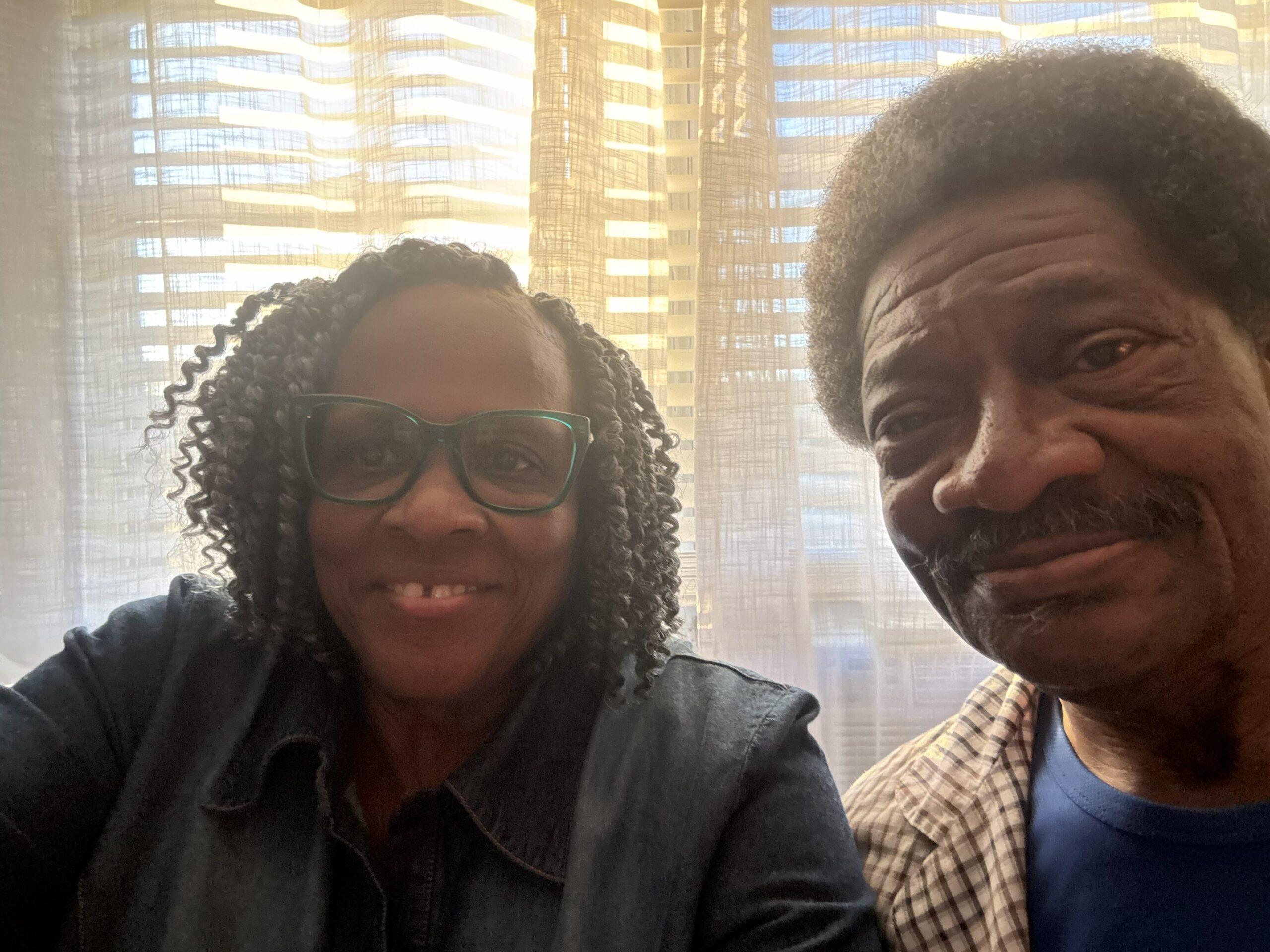
Having my mother join me at PCA’s Fall Fundraiser made the evening particularly special. It reminded me how meaningful it is to share important moments with the people who matter most. In some moments, we share lasting memories; in others, we offer love, care and support. A spouse helps with medications and appointments. A daughter checks in every morning before going to work. A grandson picks up groceries on the way home. A neighbor makes a phone call or stops by to make sure someone is doing well.
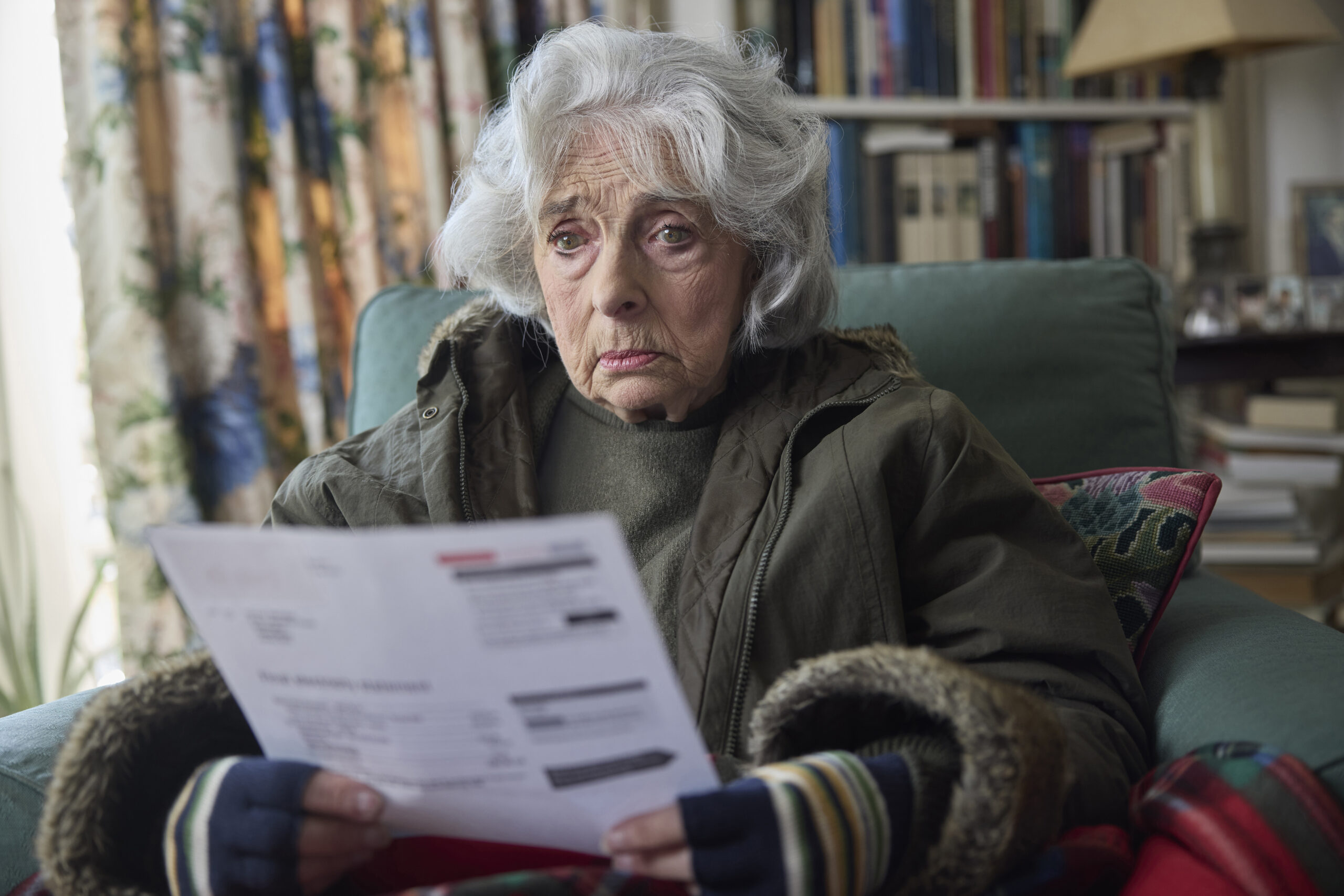
These acts of care may not come with a paycheck or a formal job title, but they are an important part of how many older adults receive support. Family members, friends and neighbors may help with transportation, meals, household tasks, personal care or appointments. Some also provide emotional support and companionship.
As these responsibilities become part of daily life, caregivers may need help understanding available services, paying for certain expenses, or finding time to care for their own health and well-being. Having someone to answer questions and connect them with the right resources can help caregivers manage some of these day-to-day needs.
At PCA, our Caregiver Support Program connects caregivers that assist their older adult loved ones with resources based on their needs. Support can include training, financial assistance and other services that provide relief. PCA also offers resources for older relatives who are raising younger family members, as well as information about adult day services and other caregiver programs.
Support does not always have to come from a formal program. Family members, friends and neighbors can also make a difference. Picking up groceries, running an errand, making a phone call or simply checking in can give a caregiver more time and make some daily tasks easier.
When we support unpaid caregivers, we also support the older adults who rely on them. Caregivers help older adults manage daily tasks, stay connected to their communities and remain as independent as possible.
If you or someone you know provides unpaid care for an older adult, PCA can help you find resources and support. Contact the PCA Helpline at 215-765-9040 or visit www.pcaCares.org/caregivers.