
Learn the basics of Medicare
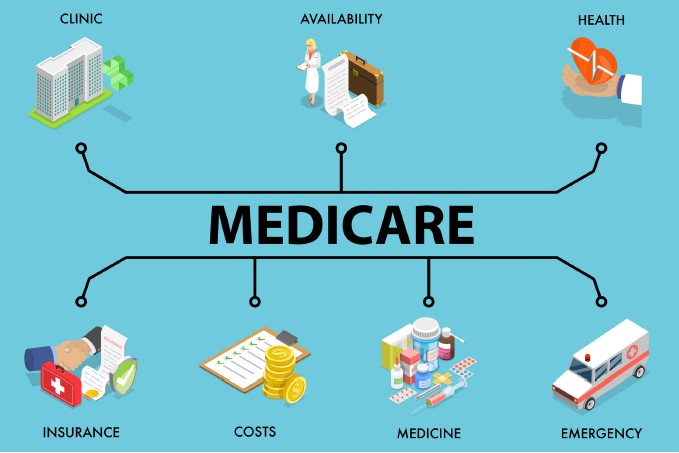

Source: Medicare.gov
Medicare is health insurance for people 65 or older. Medicare also covers younger people with certain disabilities, including endstage renal disease and ALS (also called Lou Gehrig’s disease). Open Enrollment for 2027 Medicare plans begins Oct. 15 and ends Dec. 7. The following changes can be made during Medicare Open Enrollment:
• Switch between Original Medicare and Medicare Advantage
• Change from one Medicare Advantage plan to another
• Join, drop or switch Medicare Part D prescription drug plans
• Review changes in premiums, drug formularies, provider networks and out of pocket costs
Changes made during Open Enrollment will take effect on Jan. 1, 2027. If you decide to keep your existing coverage and the plan’s costs or benefits have changed, those changes also start on Jan. 1. The only other times you can join or make changes to your Medicare plan are when you first become eligible or experience a certain life event, including moving or losing other health insurance.
What are the parts of Medicare?
Part A (hospital) helps cover:
• Inpatient care in hospitals
• Skilled nursing facility care
• Hospice care
• Home healthcare
Part B (medical) helps cover:
• Services from doctors and other healthcare providers
• Outpatient care
• Home healthcare
• Durable medical equipment, including wheelchairs, walkers, and hospital beds
• Many preventive services, including screenings, vaccines and yearly wellness visits
Part D (prescription drugs) helps cover the cost of prescription drugs. Plans that offer Medicare Part D are run by private insurance companies that follow rules set by Medicare.
When you first sign up for Medicare and during Open Enrollment, you can choose how you get your Medicare coverage. There are two main ways to get Medicare.
Original Medicare includes Parts A and B. You can join a separate Medicare drug plan to get Medicare drug coverage. You can use any doctor or hospital that takes Medicare, anywhere in the U.S. You can also use supplemental coverage that helps pay your out-of-pocket costs, including the 20% coinsurance. This includes buying Medicare Supplement Insurance (Medigap) or using coverage from a current or former employer or union, or Medicaid (if you have it).
Medicare Advantage (Part C) is a Medicare-approved plan from a private company that offers an alternative to Original Medicare for your health and drug coverage. These plans bundle together your Part A, Part B and usually Part D. You may need to use doctors in its network and get approval for certain drugs or services. Usually there are different out-of-pocket costs than Original Medicare. There is also a limit on out-of-pocket costs, so you don’t need to buy supplemental coverage. Most plans offer extra benefits that Original Medicare doesn’t cover — including vision, hearing and dental.
Can I have other insurance with Medicare?
Yes. When you have another insurance (employer/retiree health plan, or Medicaid coverage) and Medicare, there are rules for which insurance pays first.
How does Medigap work? Original Medicare doesn’t pay all of the cost for covered healthcare services and supplies. Medicare Supplement Insurance (Medigap) policies sold by private insurance companies can help pay some of the remaining costs. These include copayments, coinsurance and deductibles. Some Medigap policies also cover services that Original Medicare doesn’t cover, such as medical care outside the U.S. Generally, Medigap doesn’t cover long-term care, vision or dental services, hearing aids, eyeglasses, or private-duty nursing.
What do I pay?
• Part A: You usually don’t pay a monthly premium for Part A coverage if you or your spouse paid Medicare taxes while working for a certain amount of time. This is sometimes called premium-free Part A. If you aren’t eligible for premium-free Part A, you may be able to buy it.
• Part B: Most people pay the standard premium amount for Part B each month. The amount you pay can change each year depending on your income. Under Original Medicare, if the Part B deductible applies, you must pay all costs (up to the Medicare-approved amount) until you meet the yearly Part B deductible. After you meet your deductible, Medicare will pay its share and you typically pay 20% of the Medicare-approved amount.
• Part D: Most drug plans charge a monthly premium that varies by plan. If you have Part B, you pay this in addition to the Part B premium. If you’re in a Medicare Advantage Plan or a Medicare Cost Plan with drug coverage, the monthly premium may include an amount for drug coverage.
For more information:
• Visit Medicare.gov or call 1-800-MEDICARE.
• You can receive free, personalized health insurance counseling from PCA through the PA-MEDI Program. Call the PCA Helpline at 215-765-9040.