Language, identity and pride: How words shape understanding of disability and LGBTQ+ communities
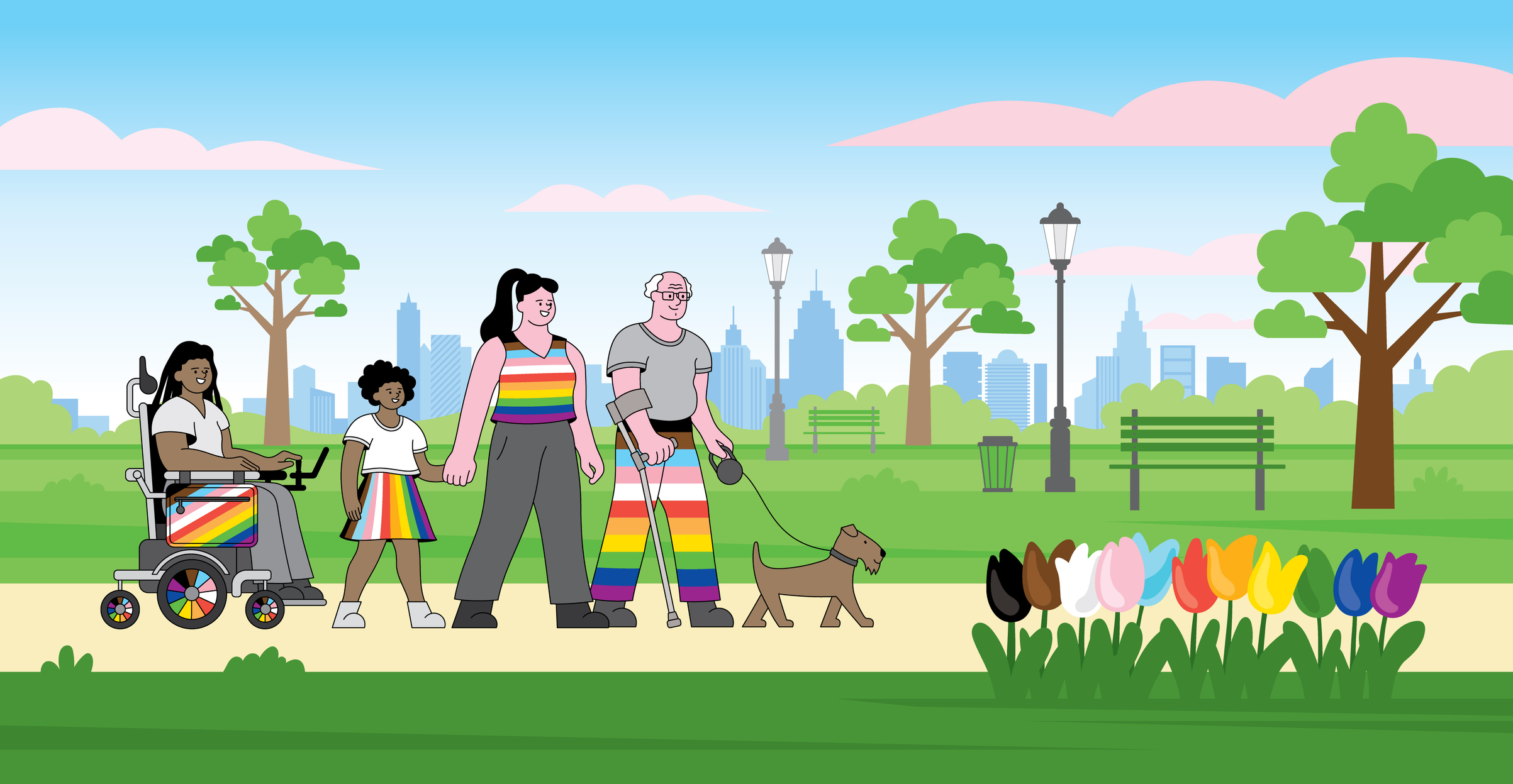

Language plays a critical role in shaping how people understand identity. This includes disability and LGBTQ+ experiences. The words we choose can support inclusion and respect. Our words can also reinforce misunderstanding and stigma. For many, language is not just descriptive. It is tied to identity, community and pride.
Within both disability and LGBTQ+ communities, language has evolved over time. It has changed in response to how people see themselves and how they want to be seen. Terms that were once widely used may no longer feel accurate or respectful. New language emerges to better reflect lived experiences. This evolution is not about trends. It reflects a shift toward self-definition. This allows individuals and communities to choose words that affirm who they are.
Pride is a key part of that process. Within disability communities, there is an ongoing conversation around person-first and identity-first language. individuals prefer Some person-first language to emphasize the individual. An example is the term “person with a disability.” Others may choose identity-first language to recognize disability as a core part of their identity. An example is the term “disabled person.” In LGBTQ+ communities, words that were once used negatively have been reclaimed. These words have been transformed into affirming language. In both spaces, language becomes a way to express identity openly and without apology.
For individuals who are part of both communities, language carries more weight. Using accurate and affirming terms can support visibility and belonging. Outdated or incorrect language can feel dismissive or exclusionary. Identity is personal and shaped by individual experience. There is no single “correct” term that applies to everyone.
That is why it is important to ask and not assume. Assumptions based on appearance, age or experience can lead to misrepresentation or discomfort. So, ask someone how they identify — and respect their answer. This creates space for people to express themselves in ways that feel authentic to them.
For organizations and service providers, using inclusive language is not just about intention. It requires specific, consistent practices.
Here are some examples of inclusive language:
• Asking and respecting preferences rather than assuming how someone identifies
• Using current, widely accepted terminology, avoiding outdated terms and recognizing evolving LGBTQ+ language
• Avoiding assumptions about abilities, identities, or experiences based on appearance or limited information
• Reflecting inclusive language in materials and communications, such as brochures and websites
• Providing options in forms or surveys, such as inclusive gender fields
• Training staff to use respectful language and respond appropriately when mistakes happen
Language will continue to evolve as communities grow, change and define themselves on their own terms. Staying open to change is part of creating inclusive environments.