
January is Eye Care Month
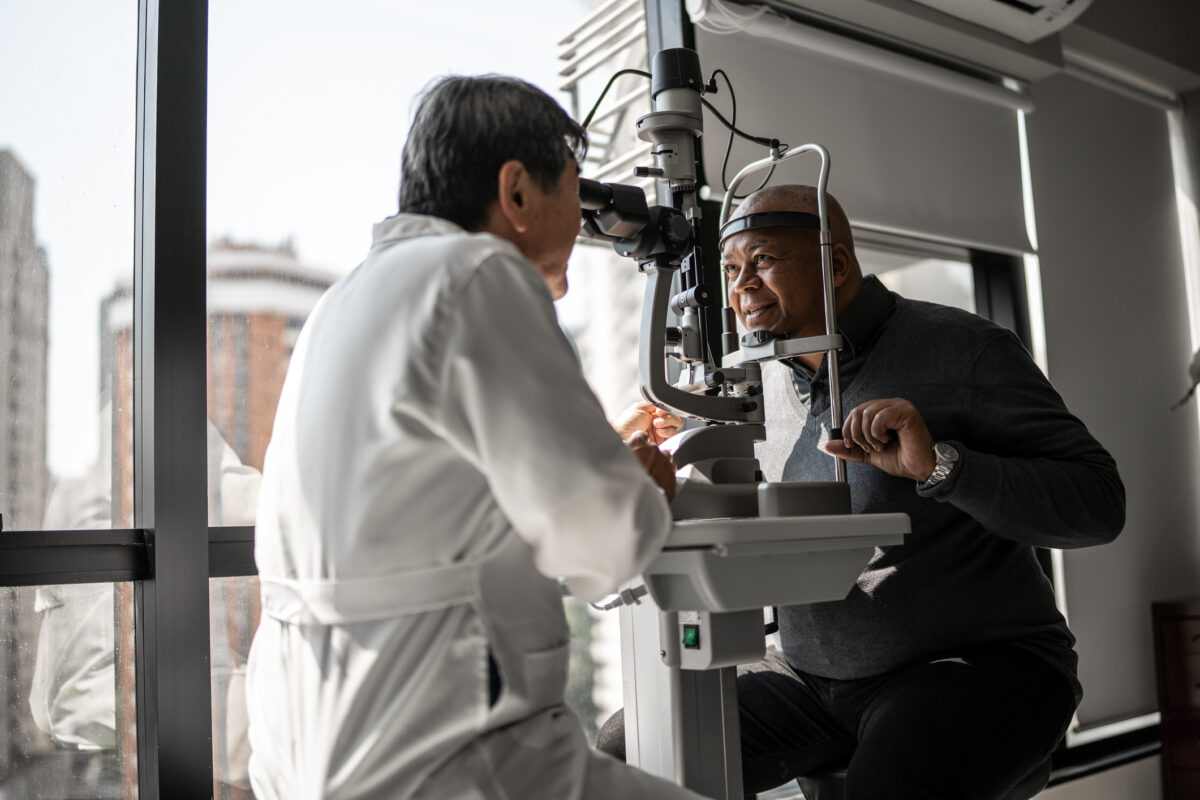

Caring for your eyes is about more than clear sight. Routine eye exams can help detect eye conditions, including glaucoma and macular degeneration. Early detection may allow for timely care. Making an appointment for an annual eye exam is a simple way to protect your vision and overall eye health.
Daily habits also play a role in eye health. Long hours spent in front of screens can cause eye strain, dry eyes, headaches and fatigue. Keep your tablet or computer screen at a comfortable height and distance from your face, then dim any glare from lights or windows. During prolonged screen time, Health.com suggests taking regular breaks. Try the 20-20-20 rule. Every 20 minutes, look at something 20 feet away for at least 20 seconds.
The National Eye Institute provides tips to help take care of your eyes:
- Eat leafy greens, colorful vegetables and foods with omega-3 fatty acids, such as salmon and walnuts.
- Blink often.
- Drink plenty of water.
- Rest your eyes during continuous reading or smartphone use.
- When outdoors in bright sun, wear sunglasses.
An eye examination will check your vision to determine if you need glasses, contact lenses or a stronger prescription to see or read clearly. It’s also an opportunity to check for conditions that may not have symptoms. Finding problems early may save your vision and make it easier to remain independent.
This January, make your eye health a priority. Schedule your next eye exam, decrease screen time, and give your eyes the care they need.
For more information about eye health, contact the National Eye Institute at 1-800-680-2578 (English and Spanish) or go to www.nei.nih.gov. The American Academy of Ophthalmology provides uninsured and under insured adults with access to medical eye exams through its EyeCare America Program. For information, call 1-877-887-6327 or go to www.aao.org/eyecare-america.