
Control autoimmune inflammation with nutrition

This article is not intended to provide medical advice. Individuals should follow the advice of their doctor.
By Mary Anna Rodabaugh
Older adults are more likely to develop a late-onset autoimmune disease due to immune competence decline, according to research published in the National Library of Medicine. The Global Autoimmune Institute categorizes this as an age-related immune shift that increases the risk of developing an autoimmune disease.
Inflammatory autoimmune conditions include rheumatoid arthritis, lupus, inflammatory bowel disease and myositis (chronic muscle inflammation). Autoimmune conditions can impact the skin, digestive tract, nervous system and blood vessels.
Key nutrition tips
If diagnosed with an inflammatory autoimmune condition, intentional nutrition can help ease symptoms. Olena Zinshtein, MS, RD, LDN, Founder of Key Nutrition, LLC, suggests several steps to combat autoimmune conditions with nutrition.
Focus on anti-inflammatory foods.
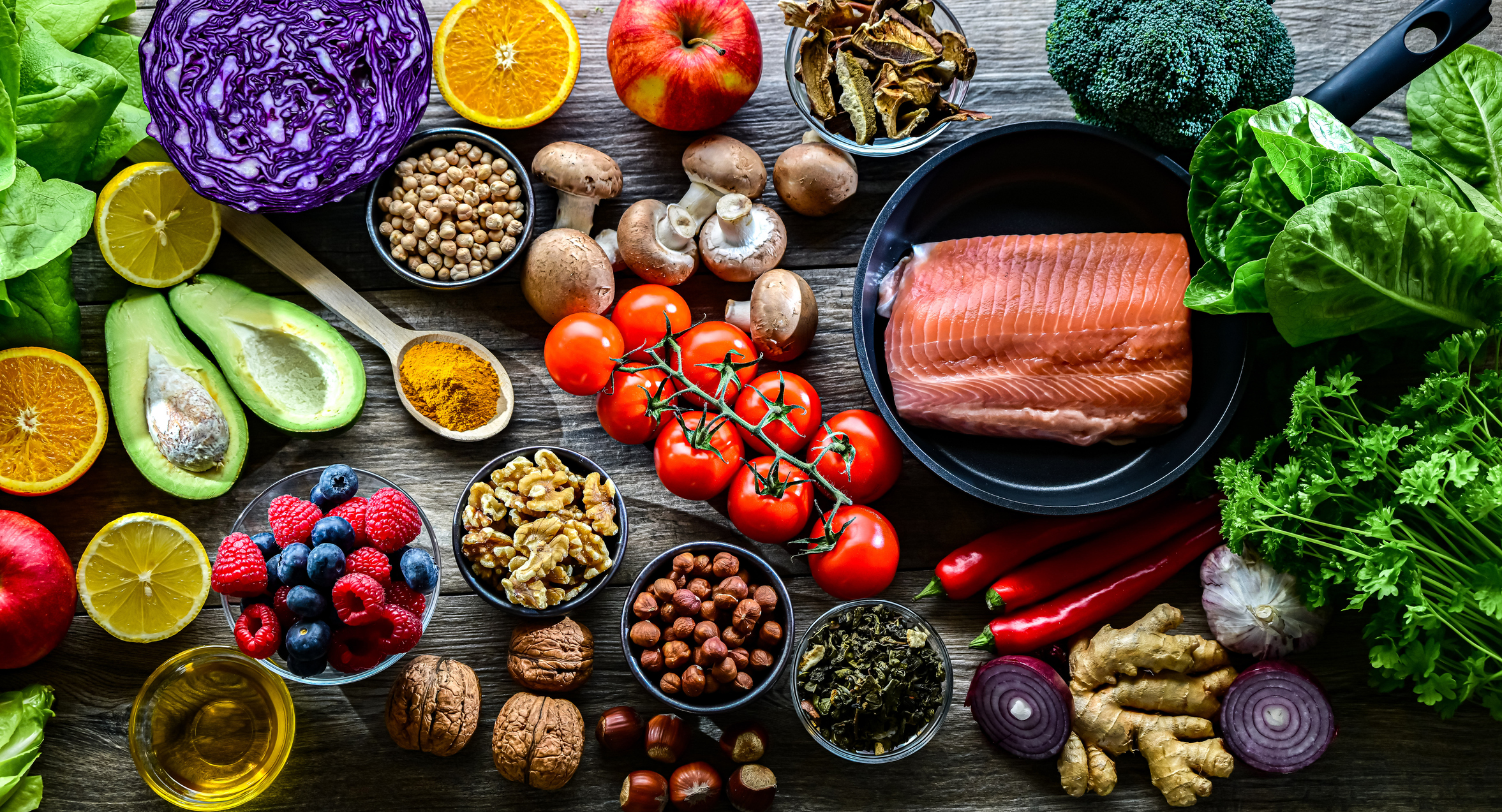
These include colorful vegetables (cooked if digestion is sensitive), fish rich in omega-3, olive oil, herbs and spices. These foods help calm inflammation while still allowing flexibility.
Prioritize gut health.
Autoimmune conditions often involve the gut. Gentle fibers, fermented foods (as tolerated), and adequate protein support healing and immune balance.
Eat consistently and mindfully.
Skipping meals or eating erratically can worsen fatigue, blood sugar swings and inflammation. Regular meals help stabilize energy and digestion.
“I encourage older adults to view nutrition as a tool for maintaining independence, strength and quality of life,” Zinshtein said. “As we age, our bodies become less efficient at absorbing certain nutrients, such as vitamin B12, vitamin D, calcium, iron and magnesium.”
Prioritizing protein at each meal, staying hydrated and choosing nutrient-dense foods can have a significant impact on mobility, cognition, immune function and mood.
“Nutrition doesn’t just support longevity; it supports living well,” says Zinshtein.
Foods to avoid
People with autoimmune conditions benefit from limiting highly processed foods, including those high in refined sugars, excess sodium and industrial fats (hydrogenated and trans). These products often include frozen dinners and luncheon meats.
The following foods can exacerbate symptoms by increasing inflammation or digestive stress:
- Deep-fried foods.
- Fermented and cultured foods – yogurt, kombucha, sauerkraut.
- Baked goods and yeast breads.
- Overripe fruit and fresh fruit juice.
- Flavor extracts and condiments that contain vinegar.
Older adults can enjoy these types of foods occasionally. Reducing consumption frequency can still yield healthy results.
Foods to enjoy
According to the Mayo Clinic Health System, the following foods may help decrease chronic inflammation:
- Citrus fruits, such as oranges and pomelos.
- Cruciferous vegetables, including broccoli, cauliflower, cabbage, kohlrabi, turnips and radishes.
- Deep blue or purple foods, such as blueberries, blackberries, plums, and Concord grapes.
- Deep orange, yellow, red and dark green foods, such as pumpkin, sweet bell peppers, tomatoes, carrots, kale, spinach, Swiss chard, arugula and endive.
- Onions.
- Plant-based proteins, including beans, lentils and soy.
- Spices and herbs, including ginger, garlic, turmeric, cardamom, black pepper, cinnamon and rosemary.
- Whole grains, such as wheat, oats, rye, buckwheat, millet, quinoa and brown rice.
Avoid nutrient deficiency
Every day individuals hear about a new meal kit, diet or supplement, claiming to reduce weight and contribute to a healthier lifestyle. Friends may even suggest specific diets. Diets that work well for one person can be ineffective, or even harmful, for another. This is especially true for individuals with autoimmune conditions or older adults. Popular diets often remove entire food groups without considering medical history, nutrient needs or lifestyle.
“I always recommend personalization,” Zinshtein said. “Working with a registered dietitian can help individuals understand why certain foods work for them and help them avoid unnecessary restriction or nutrient deficiencies.”
Zinshtein sees nutrient deficiency trends in older adults. Several nutrients commonly fall short, including protein, fiber, omega-3 fatty acids and key micronutrients. These gaps are often due to reduced appetite, limited food variety or outdated nutrition beliefs. Persistent fat and protein avoidance trends — rooted in outdated dietary guidance — can place older adults at risk for muscle loss, frailty and nutrient inadequacy.
“Nutrition should feel supportive, not stressful,” Zinshtein said. “Food is meant to fuel the body, bring enjoyment and support health — not create fear or confusion.”
Small, sustainable changes over time are far more powerful than drastic overhauls when improving inflammatory autoimmune symptoms. Talk to your health care provider about working with a nutritionist.
Mary Anna Rodabaugh is a writer, editor and writing coach.