Ableism: What it is and why it matters for older adults and people with disabilities
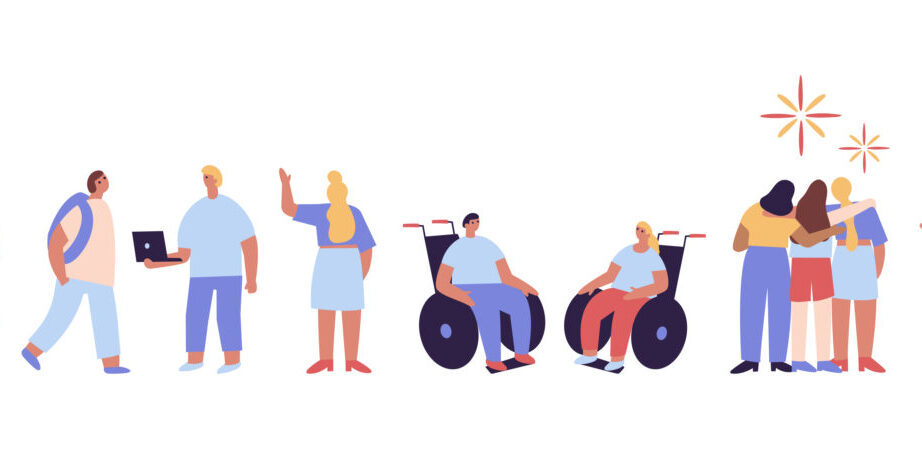

Most of us are familiar with the words racism or sexism. But ableism is less known, even though it affects millions of people every day.
Ableism is the idea that people without disabilities are “better” or more capable than people who have them. It can show up in how people think, talk and act. Ableism can also appear in rules or systems that leave people with disabilities out.
Sometimes, ableism is easy to see. For example, not hiring someone because they use a wheelchair. Other times, it is harder to notice.
For instance, thinking that older adults who move slowly cannot take care of themselves. Ableism can be quiet but still harmful. For older adults, ableism often mixes with ageism, which is unfair treatment based on age. When ageism and ableism happen together, older adults with disabilities face extra challenges. They may have trouble accessing programs, finding work or joining community activities. This can make people feel left out or invisible.
Everyday examples of ableism:
- Buildings, events or websites that are hard to use or inaccessible for people with disabilities.
- Talking to a caregiver instead of speaking directly to the person.
- Thinking people with disabilities are always unhappy or need to be “fixed.”
- Treating normal changes that come with age, like hearing loss or slower movement, as a problem.
- Not including accessibility needs when planning programs or events.
Why ableism hurts
Ableism isolates people and limits their chances to take part in life. It can stop someone from asking for help or using accommodations. Communities also lose out when older adults and people with disabilities cannot share their ideas, skills or experiences.
Ableism sends the message that a person’s abilities or experiences are less valuable. This is unfair and can hurt a person’s confidence and independence.
How we can do better
We can fight ableism by paying attention, listening and acting with respect. Here are some examples:
- Use clear and respectful language. Say “uses a wheelchair” instead of “confined to a wheelchair.”
- Ask before helping. Independence looks different for everyone.
- Make spaces and programs accessible. Include ramps, wide doors, space between tables and clear information.
- Listen to people with disabilities and older adults. Let them help shape programs and services.
- Celebrate differences. Aging and disability are natural parts of life. They are not problems. They are just part of being human.
By noticing and stopping ableism, we can build a community that respects and values everyone. Every person deserves to live with dignity, no matter their age or ability.